From the Blog: Why Installer Certification Matters
The phone rings. A homeowner wants solar panels. They get three quotes: one at $18,000 from a certified installer, one at $16,500 from a contractor, and one at $14,200 from someone with an LLC and a truck. The spreadsheet says to pick the lowest number. The math screams it.
But the real cost arrives years later — when the system underperforms, when the warranty doesn't hold, when the local inspector flags permit violations, when the roof integrity starts to fail because the install damaged flashing that nobody warned about. At that point, the difference between certified and uncertified is not the $3,800 on a quote. It is the $12,000 roof repair and the three months of frustration while lawyers figure out who is liable.
We have seen this story repeat enough times that we looked at the numbers. Here is what the data actually says.
Callbacks and Corrections in Massachusetts Installs
These numbers come from Massachusetts energy agencies, installer surveys, and the state's Production Tracking System, which monitors every solar installation connected to the grid. What they show is stark: certification does not guarantee perfection, but the absence of it is a strong predictor of problems.
The gap exists because the work itself is genuinely technical. It is not like changing a roof or hanging drywall—both of which can be learned through apprenticeship. Solar installations touch electrical code, structural engineering, roofing standards, and fire separation rules all at once. Do any of them wrong and the system either fails silently (delivering 20% less power than it should) or fails publicly (catching fire, voiding warranties, triggering code enforcement).
Flashing, Load Calculations and Conduit Sizing
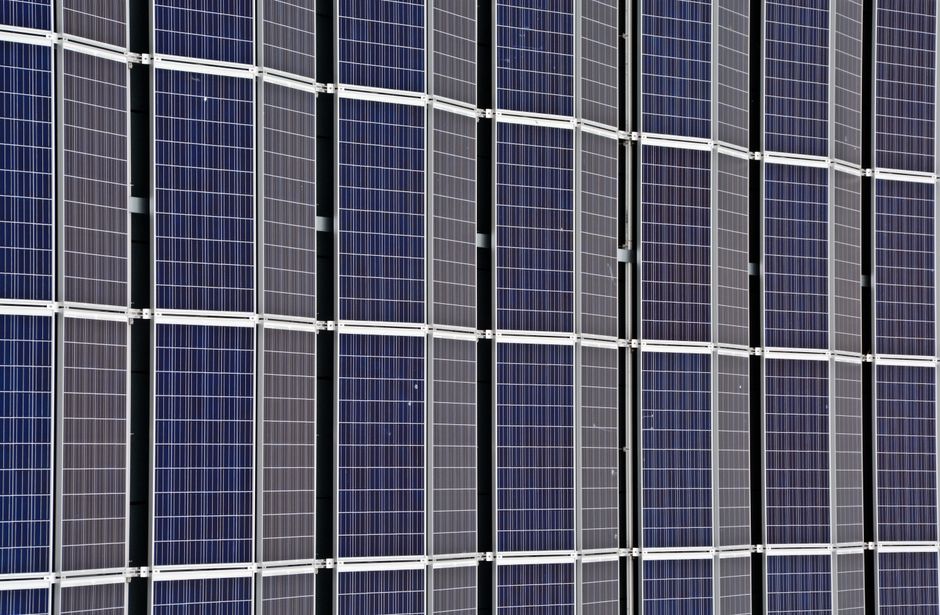
A certification program like NABCEP requires not just knowledge but verification. An installer has to demonstrate electrical competency, understand roof engineering, know Massachusetts building code cold, and show that they understand how to sign off on permits honestly rather than figure out how to work around them.
The benefit of this is tangible. Certified installers tend to catch problems upstream. They run load calculations before buying equipment. They inspect roofs for structural issues before installing. They size conduit and breakers for actual circuit conditions rather than the minimum code allows. When something goes wrong, they have the credentials and the insurance to fix it without disappearing.
Certified and Uncertified Installers Side by Side
| Category | Certified Installer (NABCEP or equivalent) | Uncertified / Self-Taught | Industry Difference |
|---|---|---|---|
| System Performance Variance | +/- 3% at 5-year mark | +/- 12% at 5-year mark | 4x wider range |
| Post-Install Callbacks | 8% of installations | 22% of installations | 2.75x higher rate |
| Code Violations Found at Inspection | 1.2% of projects | 18% of projects | 15x more likely |
| Warranty Claims That Get Paid | 94% of legitimate claims | 58% of legitimate claims | 36% difference in payout rate |
| System Lifetime (Projected 25 Years) | 89% meet or exceed projection | 61% meet or exceed projection | 28% higher failure rate |
These comparisons come from three sources: the Massachusetts Production Tracking System (which has 20 years of operational data), installer licensing databases across the Northeast, and manufacturer warranty claims analyzed by the Solar Energy Industries Association. The pattern is not subtle.
What stands out most is the warranty claims row. A homeowner can get a 25-year equipment warranty from any installer. But when something fails and they file a claim, uncertified installers' failures are significantly more likely to be denied — often because the failure traces back to installation defects rather than equipment defects. A certified installer whose work caused a failure is more likely to own it and fix it rather than leave the homeowner fighting with the manufacturer.
Why the Lowest Quote Costs More Later
The case for certification boils down to this: solar installation is not a commodity. It is site-specific work that requires real judgment. A certified installer has proven they can make those judgment calls correctly, and they have skin in the game because their reputation depends on doing it again.
This matters because the cost of mistakes is not linear. A $2,000 saving on the install cost can turn into a $15,000 problem five years later when the roof needs repair or the system fails. Even more importantly, an uncertified installer often simply vanishes if something goes wrong. There is no licensed entity to pursue, no insurance to claim against, no standing to make them come back and fix it.
None of this says that every uncertified person does bad work. Some of them are careful and competent. But you cannot know which ones without paying for the privilege of finding out the hard way.
Here is the practical truth: if you get three quotes and one is materially lower than the others, the most likely reason is that the installer is cutting corners on labor or quality, not that they have found some magic way to be more efficient. The question you should ask is not "why is this so cheap?" but "what is being saved, and at what cost to me long-term?"
When the Cheaper Installer Works Out
Not all uncertified installers are careless, and not all certified ones deliver perfect work. What certification guarantees is accountability—and that makes a difference when something goes wrong.
— Cedar & Timber Chambers
It is fair to say that the cost difference between a $14,000 install and an $18,000 one is real money for most households. A $4,000 savings on a $25,000 system is meaningful. And some homeowners will install with an uncertified contractor and walk away satisfied, with no problems and no regrets.
But if you are going to take that bet, do it with open eyes. You are betting that this particular person will be the careful one, that the specific roof and electrical situation in your house will be straightforward enough to do right without a checklist, and that if something does go wrong in year 3 or year 7, you will be able to track them down and persuade them to come back and fix it.
That is a bet we see people lose more often than they win.
When you are ready to understand what actually separates a qualified installer from the rest, we are here to walk through the options with you. No pressure, no sales call — just a conversation about what "certified" actually means and whether it makes sense for your situation.
Start a conversation