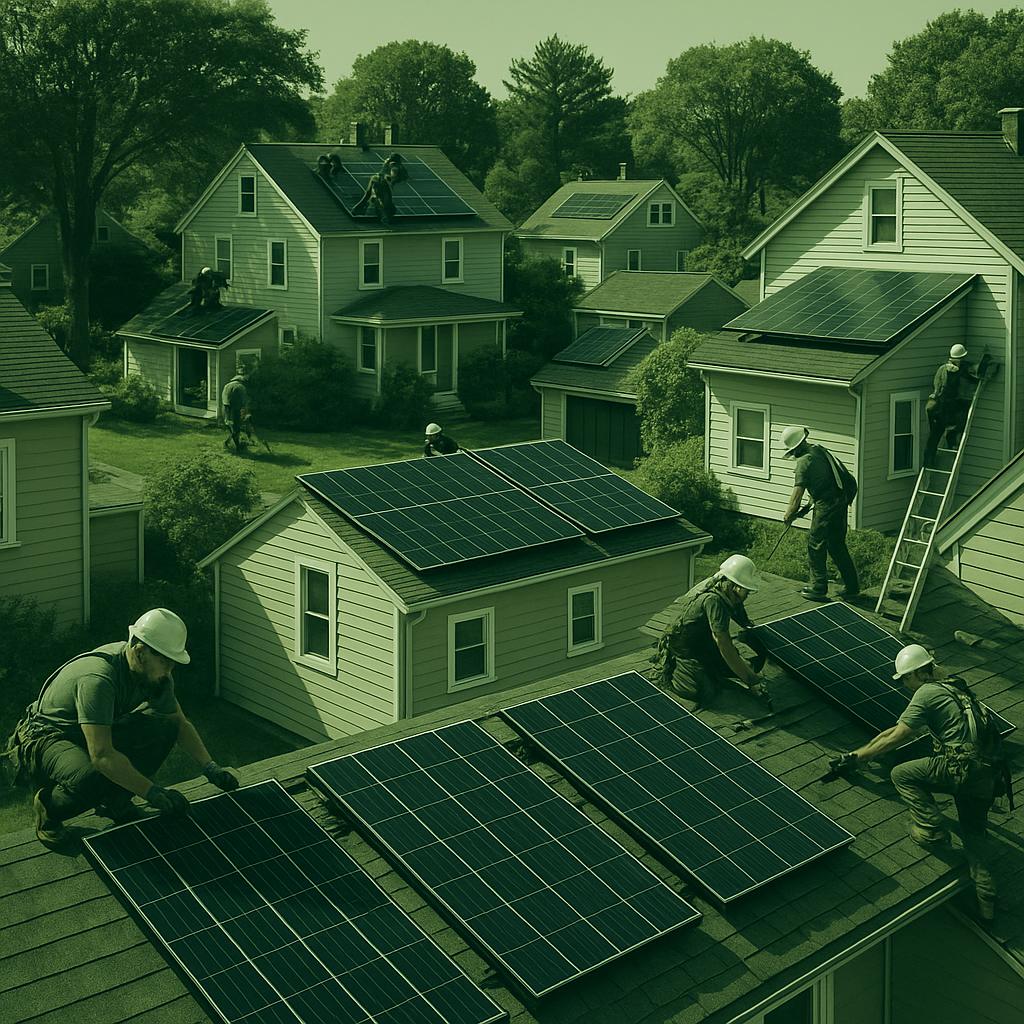
Credentials matter
We require NABCEP certification from the crew lead. We verify it against the board's public directory, not the installer's claim. A company that cannot produce current certifications does not meet our threshold.
Cedar & Timber Chambers is a consulting network built around one principle: when you recommend something, you own the recommendation. We do not resell competitor analyses or repackage marketing collateral. The professionals here have spent decades in the energy and construction fields, which means we evaluate solar installations the way an architect or engineer would—not the way a broker selling volume would.
Our credibility rests on three things: verifiable industry expertise, the professional certifications our team has earned in specialties that directly affect your evaluation, and the network connections we have built through years of working alongside installers, engineers, and property owners who trust our judgment. That network is how we came to recommend Rooftop Energy Solutions. We do not take referral fees. We recommend them because the work they produce, and the way they talk to customers about what they are building and why, meets the standards we have set for ourselves.
Our evaluation process follows a sequence designed to separate what matters from what vendors claim. We walk through this the same way, every time, because consistency is how you catch the claims that do not hold up under scrutiny.

We require NABCEP certification from the crew lead. We verify it against the board's public directory, not the installer's claim. A company that cannot produce current certifications does not meet our threshold.
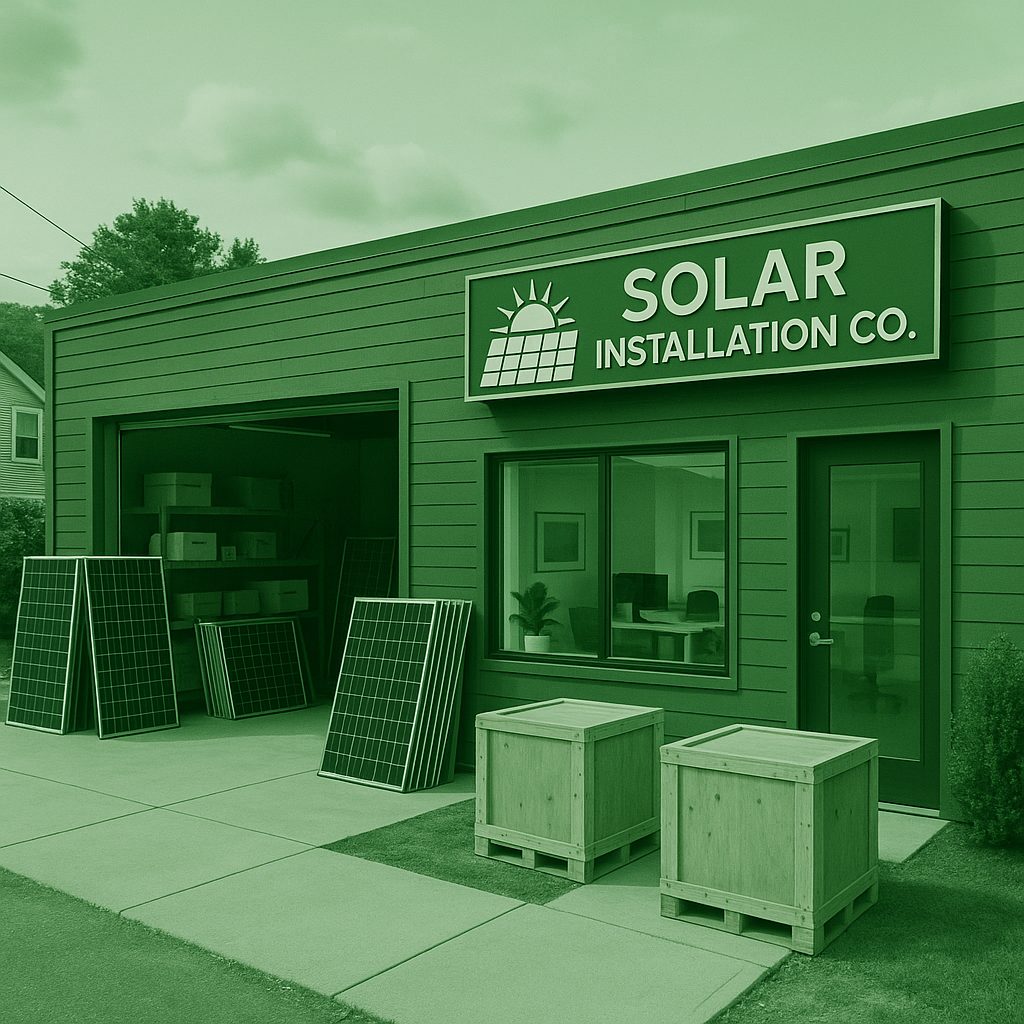
Solar installations are not commodity builds. An engineer must account for your roof, your electrical service, your actual sun exposure, and Massachusetts building codes. We reject systems designed from templates rather than site surveys.
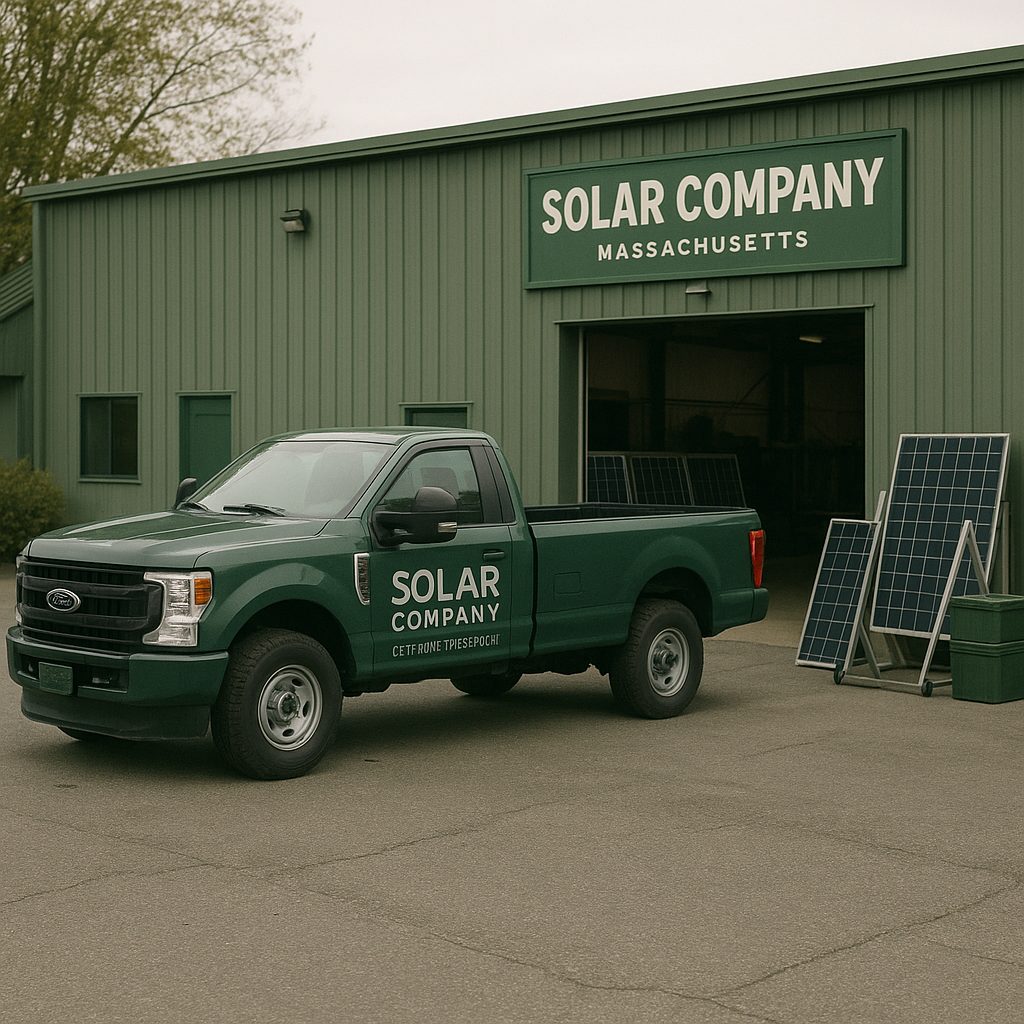
The quality of an installation shows in the details: roof flashing done right, conduit routing planned, electrical connections professional, final inspection passed without corrections. We look for evidence of care, not speed.
A solar installation is designed to run for 25 years. A bargain-basement installation with poor workmanship, undersized equipment, or a crew that cut corners on electrical work does not become valuable over time—it becomes a liability. The companies we recommend are the ones that understand the long view. They price their work accordingly. They back it with warranties that mean something. And when problems come up after installation, they are responsive and professional.
If you speak with Rooftop Energy Solutions, put the same questions to them that we put to every company: who on the crew holds NABCEP certification, who does the electrical work, and whether you can see a recent final inspection report.